Quick answer
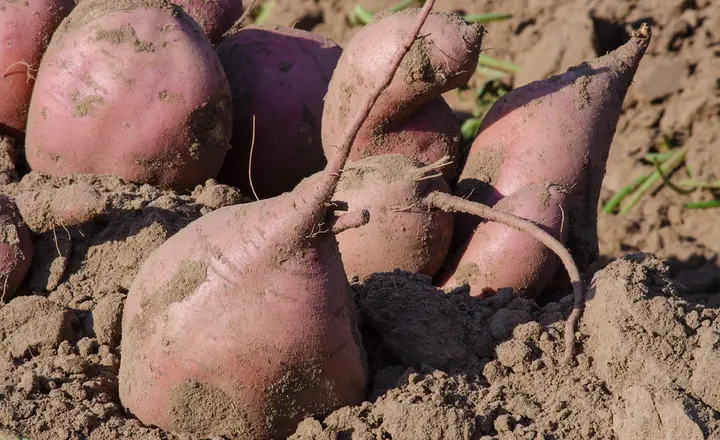
Grow potatoes from certified seed potatoes in an open, sunny position. Plant into loose, free-draining soil or a large container, then cover the developing stems with more soil or compost as they extend. This earthing up protects shallow tubers from light, which turns them green, and gives the plant a larger protected zone in which to crop.
Keep the root zone evenly moist once flowers and tubers begin developing, but do not leave it saturated. Harvest earlies when the tubers are large enough to use; leave maincrop potatoes until the foliage naturally declines, then cure sound tubers briefly before dark, cool storage.
Choose the crop before planting
Potatoes are grouped broadly as first early, second early and maincrop. The groups describe cropping time, not a strict botanical difference. Earlies occupy the ground for less time and are valued for small waxy tubers. Maincrops need a longer season, usually give a larger yield and include many varieties intended for storage.
Choose by culinary use, maturity and resistance to locally important diseases. A floury baking potato and a waxy salad potato behave differently in the kitchen even when grown in the same bed. The RHS potato guide recommends buying certified seed potatoes rather than planting supermarket stock, which may be treated to inhibit sprouting or carry disease.
Chitting—allowing short shoots to form in a bright, cool, frost-free place—can give early plantings a head start, but it is not essential. Avoid long, pale shoots produced in warmth or darkness; they break easily and indicate that the tuber is using reserves without receiving useful light.
Site and soil preparation
Use a site receiving at least six hours of direct sun. Potatoes tolerate cool spring weather but foliage is damaged by frost. Avoid ground where potatoes, tomatoes, peppers or aubergines recently grew when rotation is practical, because these relatives share several soil-borne problems.
The soil should be loose enough for tubers to expand without sitting in water. Incorporate mature compost where structure needs improvement, but do not place fresh manure directly against seed tubers. The University of Minnesota Extension recommends soil testing because potatoes have crop-specific nutrient needs. Excess nitrogen can produce abundant foliage at the expense of timely tuber maturity.
Slightly acidic soil reduces the risk of common scab, but changing pH without a test can create other deficiencies. Treat the pH range in the structured record as a working target, not a reason to make large unmeasured amendments.
Planting in beds and containers
Plant when the soil is workable and beginning to warm. Set seed potatoes with the strongest shoots facing upward, usually 30–40cm apart, and allow more space between rows for earthing up and access. Follow the supplier's depth and spacing for the variety and production system.
When shoots are roughly 15–20cm tall, draw soil around them while leaving the upper foliage exposed. Repeat as growth continues. If frost threatens, covering emerging shoots with loose soil or fleece can protect the tender foliage.
For containers, use a vessel of about 40 litres or larger with unrestricted drainage. Begin with a layer of growing medium, place one to three seed potatoes according to the container's width, and add more medium in stages as stems rise. Do not fill a small pot with too many plants: it produces more stems competing for the same finite water and root volume, not automatically more usable potatoes.
Watering and feeding
Early foliage can often use spring rainfall, but demand rises sharply as the canopy expands. Water deeply when the medium is drying below the surface, particularly from flowering through tuber bulking. Alternating severe drought with heavy watering can encourage misshapen or cracked tubers.
Containers need closer attention because their small reserve heats and dries quickly. Water at the base and confirm that excess drains away. A mulch can reduce evaporation in beds after the soil has warmed.
Base fertiliser decisions on a soil test or use a balanced product labelled for potatoes at its stated rate. Avoid repeated high-nitrogen feeding. Container crops may need a supplementary feed because nutrients leave through drainage water, but stronger-than-label solutions can injure roots.
Recognising common problems
| Symptom | Likely causes to investigate | First checks |
|---|---|---|
| Leaves blackened after a cold night | Frost injury | Local minimum temperature and whether new growth remains healthy |
| Rapid brown lesions on leaves and stems | Potato blight or another foliar disease | Speed of spread, recent humid weather and regional alerts |
| Corky patches on tubers | Common scab | Soil pH, dry conditions during tuber initiation and variety susceptibility |
| Small crop beneath large foliage | Excess nitrogen, crowding, shade or early harvest | Sun hours, planting density, feeding and maturity group |
| Green skin | Tubers exposed to light | Earthing depth, cracked soil and storage conditions |
| Holes or tunnels in tubers | Slugs, wireworms or mechanical damage | Shape of damage, field history and harvest delay |
Remove and discard green areas generously; extensively green or bitter tubers should not be eaten. Greening indicates light exposure and may accompany increased glycoalkaloids. Store potatoes in darkness and keep developing tubers covered.
Do not diagnose blight from one old yellow leaf. Photograph the pattern, check stems and leaf undersides, note recent weather and compare with a reputable local diagnostic service. If blight is confirmed, follow current regional advice and avoid putting infectious foliage into a cool compost heap.
Harvesting and storage
For new potatoes, gently investigate near a plant after flowering and take only what is needed. Earlies are thin-skinned and intended for prompt use. For maincrop storage, wait until foliage yellows and dies back, then choose a dry day and lift carefully with a fork placed away from the centre of the plant.
Let sound maincrop tubers dry on the soil surface only briefly if weather allows; prolonged sunlight causes greening. Cure them in a dark, ventilated place, then store only undamaged tubers in breathable sacks or trays. Keep them cool, frost-free and completely dark. Check periodically and remove any that soften or rot.
Record the variety, planting date, first and final harvest, approximate yield and recurring damage. These observations help distinguish a poor variety match from correctable problems in spacing, water or harvest timing.
Sources and review basis
- How to grow potatoes — Royal Horticultural Society
- Growing potatoes in home gardens — University of Minnesota Extension
Ranges are starting points. Variety instructions, observed soil conditions and reliable regional disease guidance take precedence where they are more specific.